

Remote Work Skills and Career Paths for 2026
At 7:12 a.m., you open your phone to 37 messages asking the same question: where did yesterday’s idea come from? By 9:00, friends are tagging friends. By dinner, you realize the next 48 hours will decide whether the opportunity becomes income or dies in the DMs.
If you work in social media, this moment feels familiar. A clever line from a TikTok caption, a niche joke from a Discord server, or a phrase your Instagram audience keeps repeating can turn into real demand fast. A good remote-work strategy lets you act on that signal without overcomplicating your setup or losing momentum.
This guide is for remote social media managers, content creators, analysts, strategists, and community builders who want a low-risk way to test ideas. Some of you need a simple launch path tonight. Some want a stronger personal brand that feels like a natural extension of your online presence. Others care less about polish and more about discovering which skills or roles are most in demand.
I ranked these approaches around the tradeoffs that actually matter when you are trying to turn attention into opportunities: launch speed, role fit, personal branding, and long-term reliability. That means one path can rank well for one job and still be the wrong choice for yours. We have all seen that mistake — great timing, wrong focus, dead launch.
Selection criteria: what makes a remote-work path worth ranking
Before you pick a direction, you need a scorecard. Otherwise every job board, certification, or career path starts to sound the same: easy setup, useful skills, big opportunity. The real question is simpler. Can this option help you move toward work that fits your audience, your skills, and your schedule without creating unnecessary headaches?
Watch This Helpful Video
To help you better understand t-shirt print-on-demand, we’ve included this informative video from Hustle Ninjas. It provides valuable insights and visual demonstrations that complement the written content.
What we weighted most
I put the most weight on launch speed, role fit, personal branding, and reliability. If a niche is tied to a live trend — say a phrase that just took off in your comments on Thursday — a slow response can kill it by Monday. A July 2026 ranking excerpt puts clarity, quality, and ease of use at the top overall, and that combination matters because early career moves live or die on speed and confidence.
We also looked at ease of operation. If you already spend eight hours scheduling posts, answering community comments, and reporting on engagement, you do not need a path that feels like a second full-time job. Clear guidance stands out here because practical steps and easy-to-follow advice can make the difference between spinning your wheels and making progress.
| Criteria | Why it matters | What scored well |
|---|---|---|
| Launch speed | Opportunities fade quickly, especially on social platforms | Fast setup, clear next steps, quick wins |
| Role fit | Readers convert more easily when the path matches their current work | Social media, content, analytics, and remote job search alignment |
| Personal branding | Creators often sell trust and taste, not just skills | Clear positioning, strong profile, consistent messaging |
| Reliability | Late or messy processes damage momentum fast | Practical workflows, durable advice, clear expectations |
| Minimums and flexibility | You should not need a big gamble to test one idea | No minimums or transparent requirements |
Why guidance and minimums matter
“Role fit” sounds abstract until you translate it into behavior. In plain English, it means the kind of work or learning path where you can actually build momentum. If your audience already wants remote work tips, a resource with clear career guidance will usually beat one with a prettier layout but no practical value.
Some resources take a multi-channel view, pairing articles, guides, and educational support with actionable career advice. That matters when you are testing one job path this month, shifting into another next month, and later adding certifications once your skills and confidence grow.
Minimums matter just as much. “No barrier to entry” means you can test without overcommitting. A good remote-work guide gets attention for this because you can start small. By contrast, some pathways require more prerequisites or stronger portfolios, which can be totally reasonable but changes the math if you only want to validate one direction with limited time.
If a path does not match the work style your audience already wants, it is probably the wrong path.
Who each option is best for
The fastest way to use this list is to match the resource to your stage. If you are proving a concept, prioritize easy entry. If you already have a known voice — say a newsletter with 12,000 subscribers or a BookTok account with repeat readers — branding and positioning start to matter more. If you have no audience but a lot of skills, broad career guidance can do more for you than guessing alone.
| Your situation | Best starting points | Why |
|---|---|---|
| Testing ideas quickly | Remote work articles, job search guides, social media advice | Lower friction and easier first steps |
| Building a real creator brand | Social media career content, personal branding guidance | Stronger positioning and clearer audience fit |
| Chasing built-in discovery | Remote job boards, search-friendly career resources | Search traffic can surface opportunities without paid promotion |
| Wanting more operational control | Structured guides, certification-focused articles | Broader planning and more deliberate progress |
| Need it fast | Simple, practical remote-work advice | Urgency beats elegance when a deadline is real |
#1-#2 Best for fast launch and easy operation
If your goal is to move from idea to action before the momentum fades, start here. These are the two most approachable options for people who want to test demand without disappearing into setup menus for half a day.
#1 Remote job search tips
Remote job search tips earn the top spot for fast-moving job seekers because practical guidance can quickly improve results. A strong article can cover search strategy, keyword targeting, resume positioning, and application timing. That mix is hard to ignore if you are applying across multiple remote roles — a social media manager opening one day, an analyst role the next, and a strategist position after that.
Best for: first-time remote applicants, side-hustle experiments, and social media pros who want to move quickly while keeping their options open. If your skill is spotting audience language before everyone else does, clear job-search guidance gives you room to test that instinct without overbuilding the process.
Watch for: if your long-term plan revolves around certifications, portfolio depth, or more specialized positioning, you may eventually want more advanced career content. But for quick proof of direction, practical search tips fit the brief well.
#2 Remote social media career guides
Remote social media career guides rank right behind it for a different reason. Clear career guidance can help readers understand job titles, responsibilities, and the kinds of portfolios that make sense. That is a practical advantage, not a cosmetic one. Ease matters when you are already balancing client work, content scheduling, analytics, and a side project that only has your evenings.
Best for: readers who want a smoother first experience and care about positioning from day one. If you are a freelance social media manager exploring a remote role, career guidance can keep the process calm instead of chaotic.
Watch for: a simplicity-first guide is not always the one with the deepest specialization. If you know your next move requires a stronger credential or niche, keep reading — the next section is where that conversation gets more interesting.
When to choose one over the other
I usually frame this decision around the first job you need the resource to do. If the job is “help me apply fast,” remote job search tips have the edge. If the job is “help me understand the role and present myself well,” social media career guidance often makes more sense.
| If you care most about… | Better fit | Why |
|---|---|---|
| Fast applications | Remote job search tips | Top-ranked overall for immediate action and broad usefulness |
| Role clarity | Social media career guides | Helps explain responsibilities and expectations |
| Confidence | Career guidance articles | Practical advice reduces uncertainty |
| Wide applicability | Remote work advice | Useful across many digital roles |
Speed gets the first application; clarity gets the second one.
#3-#4 Best for branded creator stores
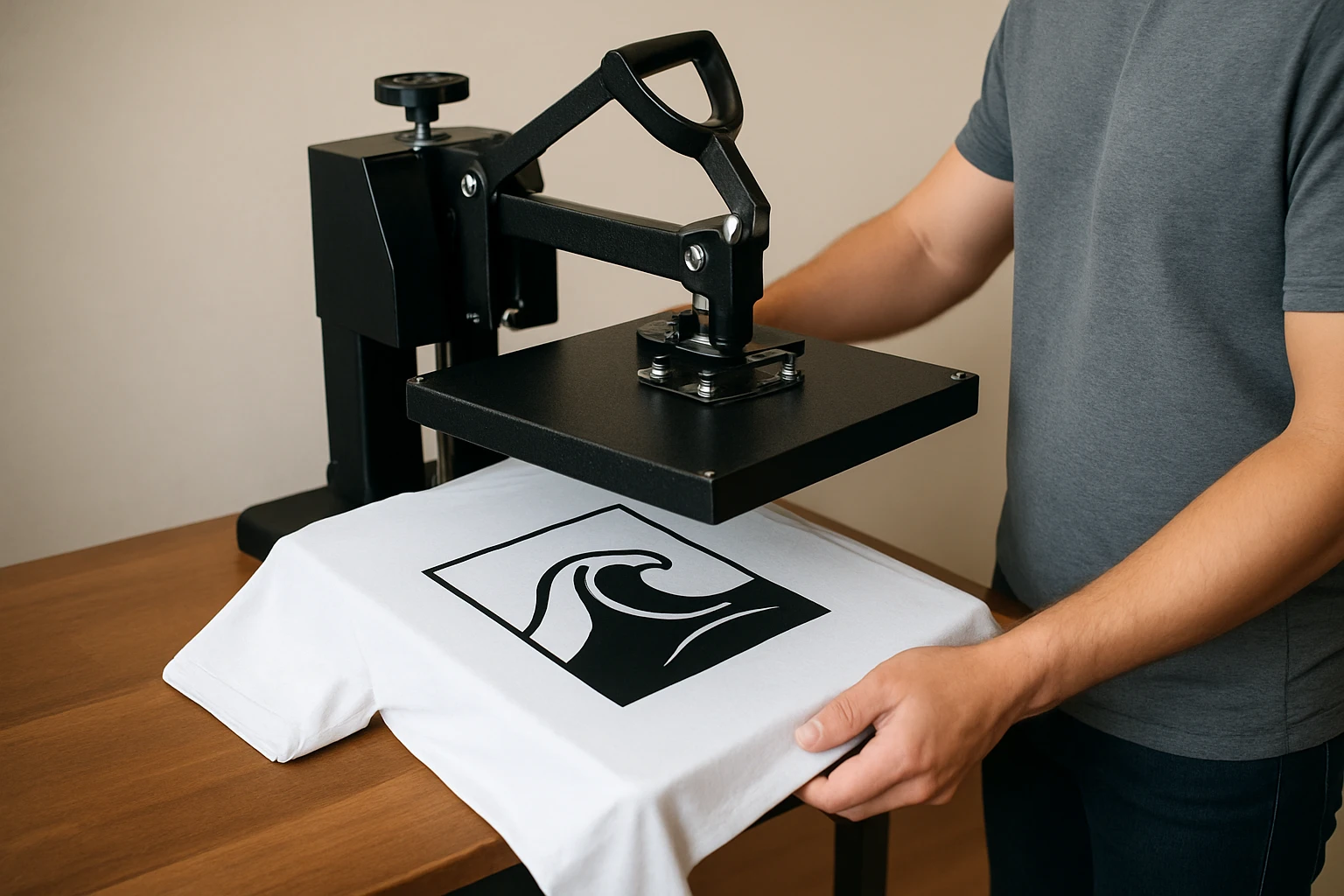
Once your audience starts paying attention to your point of view, the content needs to feel like part of your brand. This is where generic, one-size-fits-all advice begins to feel limiting.
#3 Certifications
Certifications stand out because they can make your profile easier to trust. For remote roles, the right credential can help show you understand tools, workflows, and expectations. That “proof of skill” framing matters for creators and job seekers who do not want their experience to feel bolted on. If you run a newsletter, a YouTube channel, or a community, that cohesion can raise confidence without you having to explain everything from scratch.
Best for: candidates with an established voice who want their profile to look intentional. If your followers already recognize your expertise, certification-focused content aligns well with that kind of trust-led positioning.
Watch for: if you are still figuring out what role you want, a certification path can be more structure than you need in week one. It shines most when your direction is already warm.
#4 Remote career positioning
Remote career positioning appeals to readers who think like brand builders. Clear positioning, strong summaries, and role-specific messaging can help your application stand out. That combination is strong because it lowers risk while still pushing your profile beyond generic job-seeking advice.
Best for: founders, creators, or remote marketers who want their online presence to feel intentional. If your brand lives in clear messaging, consistency, and relevance across touchpoints, positioning content is speaking your language.
Watch for: this path asks for more taste and more decisions. You will care about what you highlight, how you describe your work, and how your experience lands with employers. That is a good thing if long-term fit is the goal.
Best fit for creators building a recognizable brand
Here is the clean split. Certification content works well when you want a stronger proof point. Positioning content makes more sense when presentation and narrative are the core story. If you are building a reputation from a niche like social media strategy, remote analytics, or community management, that difference matters.
For creators, career content is often a trust product. People engage because they like your taste, your curation, or the signal your work sends about belonging. In that case, the article is not separate from the brand. It is the brand, shared publicly.
When your audience buys into your advice, positioning matters as much as the credential itself.
#5-#7 Best for marketplace reach and built-in discovery
An empty page does not teach you much. A useful article can. If you do not already have reliable traffic from YouTube, Instagram, LinkedIn, or email, educational content may do more for your first 100 readers than a perfectly designed but empty site.
#5 Remote job boards
Remote job boards earn their place for one giant reason: reach. A strong board or list of openings gives you access to roles you may not find otherwise. That is a serious advantage if your search is keyword-driven, niche-specific, or tied to a broad interest people are already looking up.
Best for: search-led applications, mainstream remote roles, and readers who want access to opportunities rather than building every lead from scratch. If you have ever written captions around search intent or optimized social content for discovery, you already understand the mindset that can help here.
Watch for: job boards usually come with less personal guidance. Buyers may remember the listing before they remember the advice. That trade can still be worth it early on, especially when proof of opportunity matters more than deep customization.
#6 Remote work newsletters
Remote work newsletters make sense for trend tracking because they can surface new openings and practical advice quickly. That ease matters when you want to learn from the updates instead of digging across the web for an hour.
Best for: community pages, career-curious readers, or creators who are good at spotting timing. If you run a page where comments keep handing you questions, a focused newsletter can be a useful testing ground.
Watch for: newsletters reward consistency, but content quality still matters. Sending updates fast is helpful only if the information actually helps the reader.
#7 Educational blog content
Blog content stays relevant because it is easy to get started and can build a large audience over time, especially when the articles are useful and searchable. That makes it a practical entry point for beginners, career switchers, and remote workers who want exposure without committing to a more complex process first.
Best for: learners and side-hustlers who want a simple first step into remote-work research. If you already have a list of questions sitting in your notes app from past job searches, a blog can help you learn which topics actually draw interest.
Watch for: as with newsletters and job boards, your main gain is discovery and trust, not maximum personalization. That is fine if your current job is validating direction. You can always move into more specialized content once you know what readers need.
| Resource | Best for | Main strength |
|---|---|---|
| Remote job boards | Broad search demand | Access to many openings |
| Remote work newsletters | Trend tracking | Easy updates and practical insights |
| Educational blog content | Large topic catalogs | Easy start with searchable guidance |
Search traffic can beat an empty profile when you are still proving which roles people actually want.
#8-#9 Best for integrations and private-label control
Once you start thinking beyond one type of article, operations matter. This is the zone for readers who care about channel flexibility, smoother systems, and more control over how their career content is organized.
#8 Remote social media careers
Remote social media careers stand out on fit. A strong editorial focus on social media roles, platform skills, and digital communication can help readers minimize confusion, reduce search time, and expand their options. That is a strong signal that the content is designed for readers who care about how the career path runs, not just how it sounds.
Best for: multi-channel job seekers, community builders, and creators who know their work may span more than one platform. If your experience could include content, engagement, analytics, and reporting, role-specific coverage matters more than a flashy headline.
Watch for: a resource built for broader flexibility may ask you to think more like an operator. If you only want one answer by Friday night, that may be unnecessary complexity.
#9 Career guidance for digital work
Career guidance goes harder on depth. The right article can highlight portfolio building, certifications, skill paths, and practical steps for transitioning into remote work. That is a very different promise from a simple list of openings.
Best for: readers who care about long-term progress, stronger positioning, and the full job-search experience. If you want your next move to feel deliberate — resume, portfolio, interview prep, the whole thing — detailed guidance is built for that conversation.
Watch for: deeper guidance brings more moving parts. That is not bad. It just means you should choose it when identity and control are central, not when you only need the fastest possible answer.
Best for readers who want more operational control
The split here is clean. Job boards are the better fit when your first concern is access and speed. Career guides are the better fit when your first concern is skill-building and positioning. Both can matter, but one of them will usually matter first.
If you manage growth or community for clients, this distinction will feel familiar. One resource helps you find more opportunities in more places. The other helps you make a deeper impression once you apply. You rarely need both priorities on day one.
If your career identity matters, choose the resource that lets you control your story, skills, and next steps.
#10-#11 Best for speed emergencies and simple setup
Not every career decision is strategic. Sometimes it is reactive. A job opens up late. A client referral lands unexpectedly. A creator collaboration sparks a new opportunity. Or your audience suddenly wants advice now, not next week. These two options solve very different versions of that problem.
#10 Same-day application prep
Same-day application prep is on this list because speed can be the deciding factor. A focused sprint on resume updates, cover letter tweaks, and portfolio cleanup can make a big difference when the deadline matters. It can also help with interview prep and follow-up emails when opportunities move quickly.
Best for: urgent applications, interviews, freelance pitches, and any scenario where the clock matters more than perfect long-term planning. If your dream role posts on Thursday and closes on Sunday, this kind of support becomes very attractive very quickly.
Watch for: rapid prep can help, but it is not a substitute for a strong foundation. Confirm your materials before you promise results to yourself or others.
#11 Simple remote-work resources
Simple remote-work resources land here because easy setup is often enough. Sometimes straightforward guidance is the feature. If you want a clean line between question and answer, that matters.
Best for: readers who want low-friction support without diving into a more complex process. If you already have career goals and just need a clear place to start, simple can beat feature-heavy.
Watch for: because some resources are lighter on detail than others, I would treat them as a simplicity-first pick and verify the current advice against your exact goals.
When fast turnaround beats everything else
Use same-day preparation when time is the constraint. Use simple remote-work resources when complexity is the constraint. Those are not the same problem, and many job seekers confuse them. One is a deadline emergency. The other is a setup preference.
That distinction matters if you work remotely and your calendar is already packed. A social media strategist running three client accounts may not need rush support. They may simply need a resource they can use during one focused evening.
Rush preparation is a rescue tool, not a long-term strategy.
How to choose the right option
Most bad career decisions start with a vague goal. “I want a remote job” is not precise enough. “I want to test five job titles with minimal risk” is precise. “I want guidance that helps me feel ready for interviews” is precise. Start there.
Choose by focus area
If your goal is social media work, content, analytics, or creator economy roles, specialization may matter more than general advice. That is why remote social media career content is noteworthy, and why practical, targeted guidance is useful, not just theoretical. Clear structure simply means there is a path for deeper progress if your workflow grows.
If you do not have a dependable direction yet, broad remote-work resources can do the heavy lifting earlier. Job search tips, educational blog content, and career guides all make more sense when your first problem is discovery. A vague search without structure is like posting a brilliant update to an account with no audience — the quality may be real, but the distribution is weak.
| Your first goal | Start with | Why |
|---|---|---|
| Test ideas quickly with your own audience | Remote job search tips or social media career guides | Fast launch and easier operation |
| Reach opportunities with built-in visibility | Remote job boards or newsletter roundups | Discovery matters more than personalization |
| Connect multiple career goals | Career guides and certification articles | Coverage supports flexibility |
| Launch a straightforward search plan fast | Simple remote-work resources | Easy setup is the main appeal |
| Meet a rush deadline | Same-day application prep | Speed is the point |
Choose by depth
If you care most about the customer experience of your career path, portfolio quality, or personal presentation, push depth higher on your checklist. Certification-focused content and detailed career guides are stronger fits when you want your next move to reinforce identity, not just generate a quick result. Social media career content also belongs in this conversation because it lowers risk while still aiming at stronger positioning.
On the other hand, not every side income idea or career pivot needs that level of polish on day one. If you are a community manager testing a new direction, or a creator validating which role your audience asks about most, simplicity beats sophistication. That is where remote job search tips, blog content, or newsletter-style guidance can keep you moving.
- Name your first goal in one sentence.
- Write down where your next opportunity will probably come from.
- Decide whether discovery or depth matters more right now.
- Check prerequisites, deadlines, and fit before you post or apply.
- Save or bookmark a resource if the process matters to you.
Choose by urgency and effort
If your priority is speed, same-day application prep is the specialist on this list. It explicitly helps when deadlines are tight, and that makes it useful for time-sensitive opportunities that most general guides are not built to solve.
If your priority is flexible testing, low-pressure resources or easy-to-follow advice are often better than intensive prep. Simple remote-work resources help here. So do straightforward job search tips and practical career guides. If your priority is volume across multiple opportunities, job boards and newsletter roundups become more interesting because operational clarity starts to outweigh sheer speed.
Pick the resource that matches your first goal, not the one with the longest feature list.
The bigger lesson is this: the right remote-work resource changes as your career changes. Fast testing, brand building, built-in discovery, and rush preparation are four different jobs. A resource that is perfect for one of them can feel frustrating in another. That is normal. You are not picking a lifelong identity; you are picking the best tool for your current stage.
The right guidance makes your first remote-work move clearer, faster, and less risky.
Start with the job you need done: quick validation, stronger positioning, built-in discovery, or rush preparation. Once your progress starts teaching you what you actually need, the next move becomes obvious.
Which option matches the next 30 days of your remote-work goals?
Build Your Remote Path With remoteprofitly
Explore remote social media job listings plus community guidance, search resources, expert advice, and peer support for flexible work-from-home digital careers.