

Remote social media jobs are changing the way people work, letting anyone with an internet connection join global teams from their kitchen or a coffee shop. More than 70 percent of organizations now rely on remote social media roles to boost brand engagement and reach new audiences. You might expect this trend to be all about flexible schedules or creative content, but the real story is how it erases boundaries, opening up career opportunities for talented people everywhere no matter where they live.
Table of Contents
- What Is Remote Social Media Work And Its Importance?
- Why Remote Social Media Positions Matter In Today’s Job Market
- How Remote Social Media Work Functions Across Different Platforms
- Key Concepts In Remote Social Media Roles: Skills And Tools
Quick Summary
| Takeaway | Explanation |
|---|---|
| Remote social media work fosters flexibility. | This work model allows professionals to operate from anywhere, leading to better work-life balance and personal autonomy. |
| Global talent access enhances opportunities. | Organizations can tap into a wider pool of skilled individuals, breaking down geographical barriers and promoting diversity. |
| Adaptability to platforms is crucial. | Each social media platform has unique demands; understanding these nuances is essential for effective communication and strategy execution. |
| Continuous skill development is essential. | Success in remote social media roles requires ongoing learning to keep up with evolving technologies and digital communication trends. |
| Advanced tools improve productivity. | Utilizing modern social media tools streamlines workflows and enhances the effectiveness of digital marketing strategies. |
What is Remote Social Media Work and Its Importance?
Remote social media work represents a dynamic professional landscape where individuals manage and execute social media strategies, content creation, and digital marketing tasks from any location with internet connectivity. According to the Society for Human Resource Management, social media has transformed workplace communication and engagement strategies, making remote work not just possible but increasingly preferred.
The Core Components of Remote Social Media Work
Remote social media professionals perform a wide range of responsibilities that go beyond simple posting. These roles typically encompass strategic planning, content development, audience engagement, analytics tracking, and brand representation. Key activities include:
- Creating compelling digital content across multiple platforms
- Monitoring and analyzing social media performance metrics
- Developing targeted marketing campaigns
- Managing community interactions and customer relationships
- Implementing brand communication strategies
Understanding the Significance of Remote Social Media Roles
The significance of remote social media work extends far beyond traditional marketing approaches. Organizations recognize that digital platforms offer unprecedented opportunities for brand visibility, customer connection, and global reach. Our guide on flexible career opportunities explores how these roles provide professionals with unprecedented flexibility and the ability to work from anywhere.
Moreover, remote social media work democratizes professional opportunities. Geographic barriers dissolve, allowing talented individuals to collaborate with international brands, startups, and established corporations without relocating. This work model empowers professionals by offering:
- Global job market access
- Flexible working hours
- Diverse project opportunities
- Potential for higher earning potential
- Continuous skill development in a rapidly evolving digital landscape
As digital communication continues to evolve, remote social media work represents not just a job category, but a fundamental shift in how professional communication and marketing are conceptualized and executed in the modern workforce.
Why Remote Social Media Positions Matter in Today’s Job Market
The increasing prominence of remote social media positions reflects profound shifts in workplace dynamics, technological capabilities, and organizational strategies. According to the U.S. Bureau of Labor Statistics, digital communication roles are experiencing unprecedented growth, signaling a transformative change in professional employment landscapes.
Economic and Professional Transformation
Remote social media positions are not merely job opportunities but represent a comprehensive reimagining of professional engagement. These roles transcend traditional employment models by offering flexibility, global connectivity, and opportunities for professionals across diverse backgrounds. Companies increasingly recognize that talent is not geographically confined and are actively seeking skilled professionals who can deliver high-quality digital communication strategies from anywhere in the world.
Key economic drivers include:
- Reduced overhead costs for organizations
- Access to global talent pools
- Enhanced workforce productivity
- Lower operational expenses
- Increased employee satisfaction and retention
Technological Enablement and Career Opportunities
The convergence of advanced digital technologies and communication platforms has made remote social media work not just feasible but highly attractive. Explore flexible career pathways that leverage digital skills and offer unprecedented professional mobility. Professionals can now build dynamic careers without being restricted by traditional workplace limitations.
Professional advantages of remote social media positions encompass:
- Continuous skill development
- Opportunity for multiple project engagements
- Potential for higher income through diversified work
- Elimination of geographical career constraints
- Increased work-life balance and personal autonomy
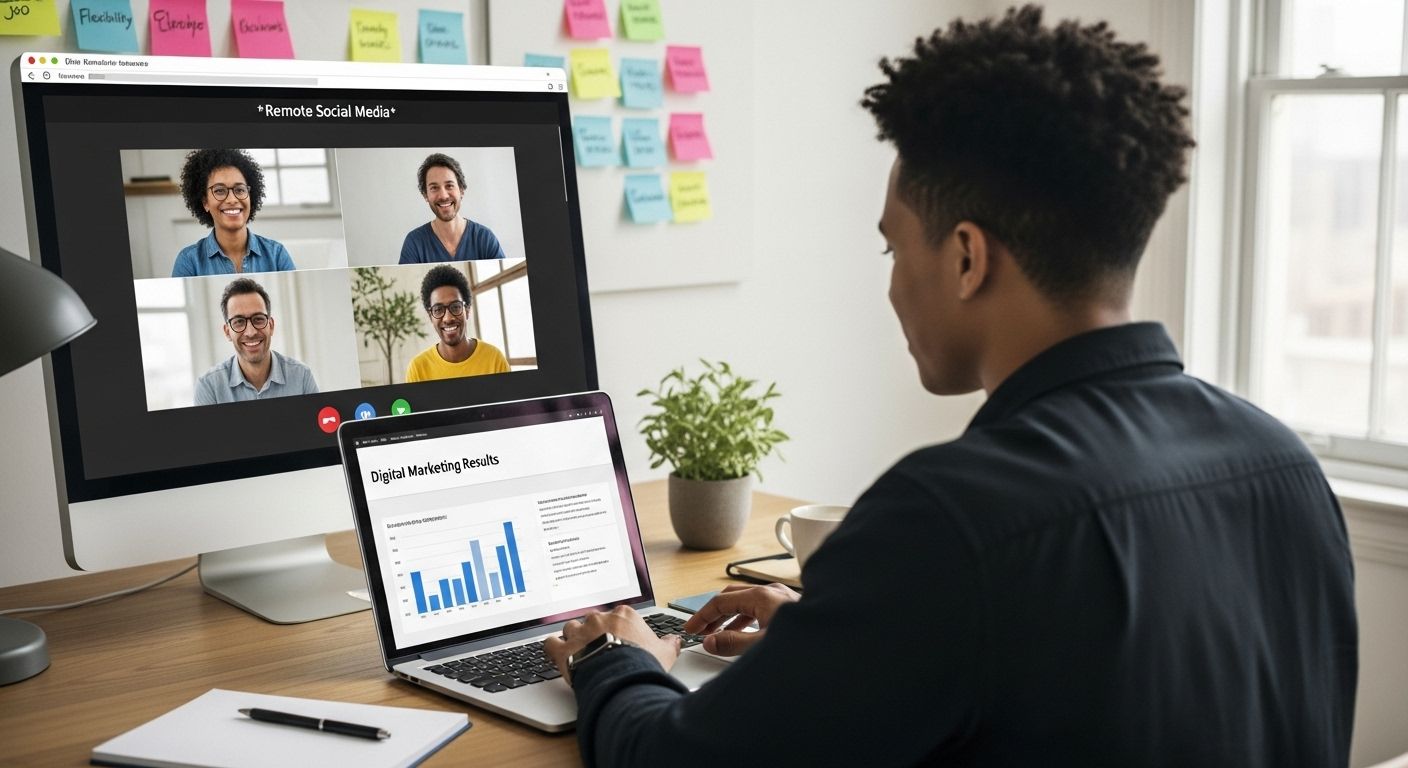
Moreover, these positions represent more than employment opportunities they symbolize a fundamental restructuring of how work is conceptualized, executed, and valued in the digital age. As organizations continue to prioritize digital communication and brand engagement, remote social media professionals will play increasingly critical roles in shaping corporate narratives and connecting businesses with global audiences.
How Remote Social Media Work Functions Across Different Platforms
Remote social media work encompasses a complex ecosystem of digital platforms, each with unique characteristics, audience dynamics, and communication strategies. According to the National Academies Press, understanding platform-specific nuances is crucial for effective digital communication and professional engagement.
Platform-Specific Communication Strategies
Digital platforms require tailored approaches that recognize their distinct communication paradigms. Social media professionals must adapt their content, tone, and engagement strategies to match each platform’s unique environment. This adaptability involves understanding the specific audience demographics, content consumption patterns, and algorithmic behaviors that define platforms like LinkedIn, Twitter, Instagram, and Facebook.
Key platform communication considerations include:
- Audience age and professional demographics
- Content format and length preferences
- Algorithmic content distribution mechanisms
- Visual and textual communication standards
- Engagement metrics and interaction expectations
Technical Infrastructure and Professional Tools
Discover professional social media tools that enable seamless remote work across multiple digital platforms. Modern social media professionals leverage sophisticated technological ecosystems that include management software, analytics platforms, collaboration tools, and content creation resources.
Essential technological capabilities for remote social media work involve:
- Cloud-based collaboration platforms
- Advanced analytics and performance tracking systems
- Content scheduling and management software
- Real-time communication and project management tools
- Cross-platform integration capabilities
Remote social media work transcends traditional communication boundaries by enabling professionals to manage complex digital strategies from anywhere in the world. The ability to understand, navigate, and leverage different platform dynamics represents a critical skill set in the contemporary digital workplace. As communication technologies continue to evolve, social media professionals must remain agile, continuously learning and adapting to emerging digital landscapes and communication paradigms.
Key Concepts in Remote Social Media Roles: Skills and Tools
Remote social media roles demand a sophisticated blend of technical proficiency, creative communication, and strategic thinking. According to O*NET from the U.S. Department of Labor, successful professionals in this field must possess a comprehensive skill set that transcends traditional communication boundaries.
Essential Professional Skills
Effective remote social media professionals develop multidimensional competencies that enable them to navigate complex digital environments. These skills extend beyond basic content creation and require nuanced understanding of digital communication strategies, audience engagement, and brand representation.
**Critical professional skills include
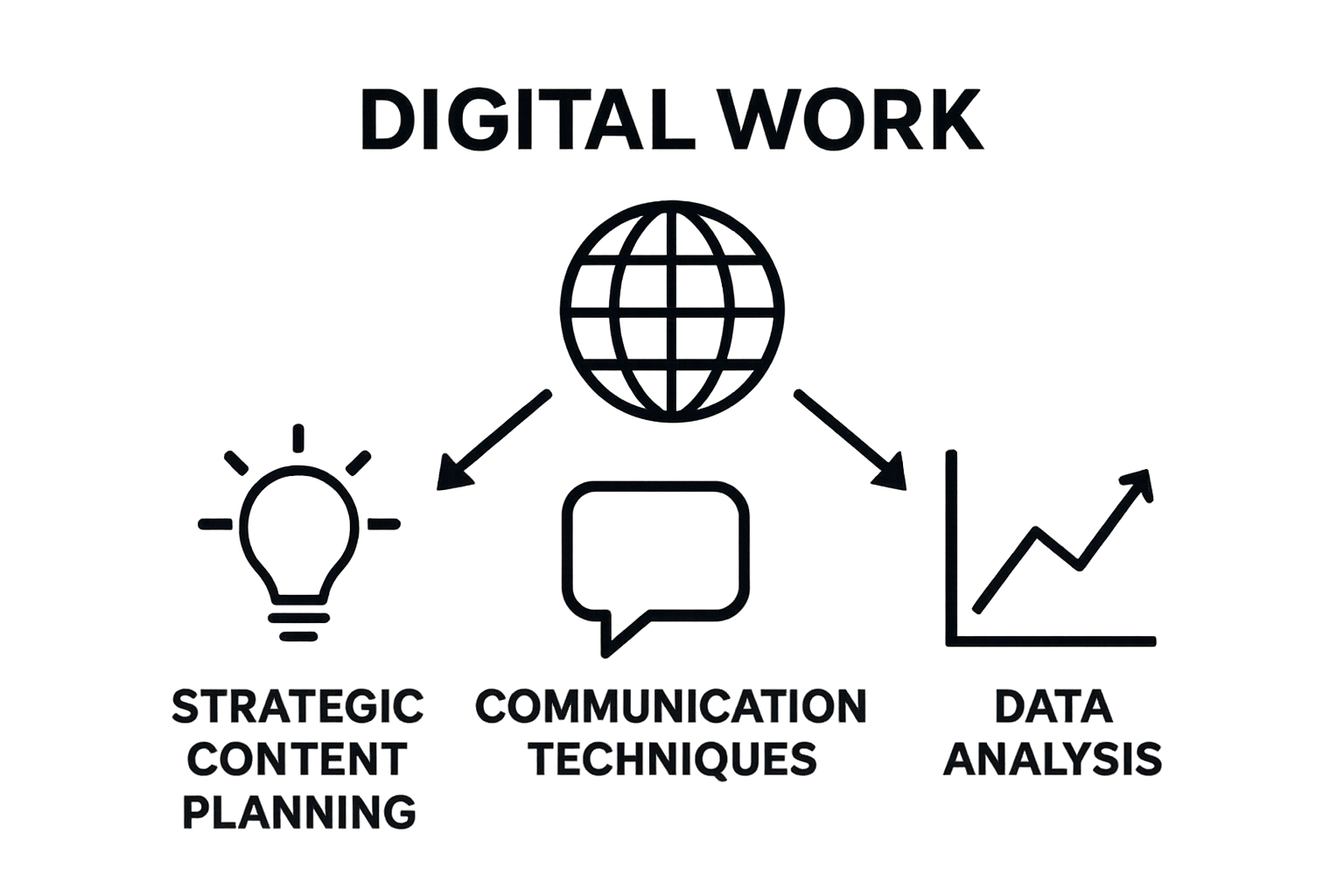 **:
**:
- Strategic content planning and development
- Advanced digital communication techniques
- Data analysis and performance measurement
- Cross-platform communication management
- Adaptability and continuous learning
Technological Tools and Platform Mastery
Explore professional social media skill development to understand the technological ecosystem that supports remote work. Modern social media professionals utilize an array of sophisticated tools designed to streamline workflow, enhance productivity, and deliver measurable results.
Key technological tools encompass:
- Social media management platforms
- Advanced analytics software
- Content creation and editing tools
- Collaboration and project management systems
- Cloud-based communication resources
The integration of technical skills and strategic thinking distinguishes exceptional remote social media professionals. Success in this field requires continuous adaptation, a deep understanding of digital communication dynamics, and the ability to leverage technological resources effectively. As digital platforms evolve, professionals must remain agile, continuously updating their skill sets and embracing emerging technological innovations that reshape the landscape of remote social media work.
To help new and aspiring professionals understand the essential skills needed in remote social media roles, the table below summarizes key professional competencies and their significance as described in the article.
| Professional Skill | Explanation |
|---|---|
| Strategic Content Planning | Designing posts and campaigns that align with brand goals |
| Advanced Digital Communication | Using social channels effectively to reach and engage audiences |
| Data Analysis and Performance Measurement | Interpreting metrics to refine strategies and measure success |
| Cross-Platform Communication Management | Managing consistent messaging across various social networks |
| Adaptability and Continuous Learning | Keeping up with digital trends and evolving platform features |
Ready to Start Your Remote Social Media Career?
You just learned how remote social media work opens the door to global opportunities, flexibility, and growth. If you are feeling unsure about where to find legitimate roles or how to build your skills for this digital field, you are not alone. Many beginners struggle to connect with supportive communities and accessing real jobs that allow them to work from anywhere. Do not let confusion or lack of direction hold you back from achieving your ambitions. Explore our Freelance Remote Work Community to find guidance, resources, and social media job leads tailored for newcomers like you.
Take action now. Join RemoteProfitly.com to discover trusted job listings, skill-building tips, and a vibrant network of people who want the same flexible social media career path. If you are serious about changing your work life and finding real support, visit our Work From Home Productivity hub for expert advice and resources that move your remote career forward today.
Frequently Asked Questions
What is remote social media work?
Remote social media work involves managing social media strategies, content creation, and digital marketing tasks from any internet-connected location. It includes planning, audience engagement, analytics tracking, and brand representation.
Why is remote social media work important in today’s job market?
Remote social media work is crucial because it allows companies to access a global talent pool, enhance productivity, and reduce operational costs. This role has grown in demand due to the increasing emphasis on digital communication across various industries.
What skills are essential for remote social media professionals?
Key skills for remote social media professionals include strategic content planning, advanced digital communication, data analysis, adaptability, and proficiency with various social media tools and platforms.
How do different social media platforms affect communication strategies?
Each social media platform has distinct audience demographics and content preferences. Effective remote social media professionals tailor their communication strategies to each platform’s unique environment to maximize engagement and reach.