

You’ve got the clips, the watch time, and the comments that say, “I need this product.” Now you’re trying to turn that attention into tiktok content creator jobs that pay, and the search feels messy because the best opportunities are scattered across marketplaces, brand platforms, agencies, and remote job hubs. That’s normal. The creator economy is big, fast-moving, and still fragmented, with estimates putting it at about $250 billion in 2025 and $205B to $323B in 2026 depending on the model you look at, so the right job source depends on whether you want UGC briefs, affiliate income, agency representation, or a full remote creator role (creator economy growth data, 2026 creator economy estimates). If you want a practical shortcut, use the places below where legitimate creator work lives. For editing support while you build your application stack, this roundup of AI-powered TikTok editing tools is a useful companion.
Table of Contents
- 1. Remote Social Media Jobs, Work From Home Opportunities
- 1. Remote Social Media Jobs, Work From Home Opportunities
- 2. TikTok Creator Marketplace
- 4. TikTok Shop Affiliate
- 4. TikTok Shop Affiliate
- 5. Pearpop
- 6. Insense
- 7. Billo
- 8. Trend, now part of Soona
- 9. Viral Nation Talent
- 10. The Influencer Marketing Factory Talent Agency
- Top 10 TikTok Content Creator Job Platforms, Comparison
- Your Next Move as a TikTok Creator
1. Remote Social Media Jobs, Work From Home Opportunities
A creator opens three tabs, one for a job board, one for a resume builder, and one for a brand brief that looks real but feels vague. That is the point where RemoteProfitly is worth a close look. It focuses on remote social media careers, so you spend less time sorting through generic marketing posts or fake “influencer” ads and more time finding roles that fit actual creator work.
The platform’s niche focus matters because TikTok creator work now sits inside a real labor market, not just a side-hustle feed. Analysts at TikTok note that more than 3.1 million U.S. jobs directly using TikTok and 1.6 million more workers benefit indirectly through lead generation and customer engagement (TikTok U.S. jobs impact report). That makes role fit more important than volume. If the listing is for a full-time content role, a community role, or an analytics-heavy position, your pitch should reflect that difference.
Why it fits remote creator searches
RemoteProfitly works well for creators who want clear job categories instead of vague “social media help” posts. You’ll see openings for Content Creator, TikTok specialist, Social Media Manager, Analyst, and Community Manager, which helps if your value goes beyond posting and includes planning, reporting, audience replies, or campaign coordination. The platform also gives you practical support, including 50+ guides, resume and profile tools, moderated peer support, employer partnerships, and email alerts, so you can keep your search organized while you compare remote creator roles.
Use the category pages to match your background to the job type, then shape your application around the exact work you can do well. For a deeper playbook on positioning yourself, use the internal guide on types of remote social media jobs and then tailor your pitch around the exact function you want, supported by a guide to beating resume bots. If you want proof of fit, show the platforms you have managed, the kind of content you have shipped, and the results you can explain without fluff.
How to stand out here
Remote job boards reward specificity. A generic creator bio gets ignored fast, while a profile that names your niche, content format, tools, and the type of team you want tends to get farther. Keep your headline tight, show one or two strong examples, and make it obvious whether you are looking for short-form production, community support, or a broader creator operations role.
Treat your application like a hiring manager will scan it in seconds. Use language that mirrors the posting, keep your portfolio easy to open, and make your best work visible above the fold. If a role mentions analytics, include metrics you can explain. If it mentions content planning, show a calendar, campaign thread, or example of how you structure a posting workflow.
For creators trying to move from casual posting into paid remote work, the main advantage here is clarity. You get fewer distractions, better role filters, and a more direct path to jobs that match how creators work.
1. Remote Social Media Jobs, Work From Home Opportunities
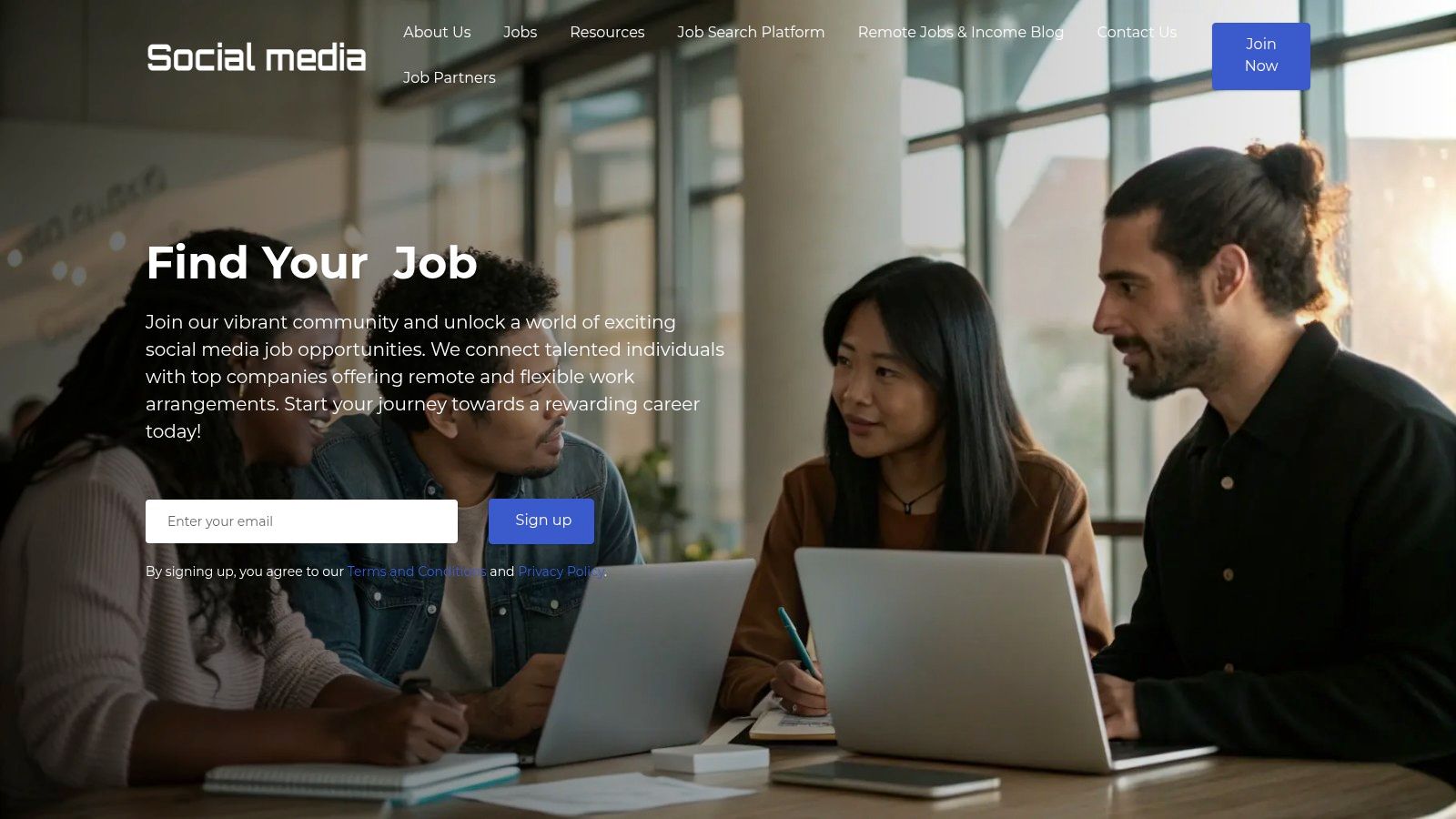
If you want a legitimate remote creator job instead of one-off posting gigs, RemoteProfitly is the first stop worth checking. It focuses on remote social media careers, so you’re not sorting through generic marketing listings or fake “influencer” ads that waste your time. The platform’s niche focus matters because TikTok creator work increasingly sits inside a formal labor market, not a side hustle space, with more than 3.1 million U.S. jobs directly using TikTok in their work and 1.6 million more workers benefiting indirectly through lead generation and customer engagement (TikTok U.S. jobs impact report).
Why it fits remote creator searches
RemoteProfitly is strong for creators who want role clarity. You’ll find openings around Content Creator, TikTok specialist, Social Media Manager, Analyst, and Community Manager, which is useful if your skills go beyond posting and into content planning, reporting, or inbox management. The platform also adds practical support, including 50+ guides, resume and profile tools, moderated peer support, employer partnerships, and email alerts, so you’re not applying blind.
Practical rule: If a creator job post doesn’t tell you who owns the calendar, who approves content, and how performance is measured, treat it as a weak lead.
That’s where this hub helps. It centralizes fragmented listings and gives you a cleaner way to vet opportunities, especially when you’re trying to separate real remote work from scammy “grow your page” offers. For a deeper playbook on positioning yourself, use the internal guide on types of remote social media jobs and then tailor your pitch around the exact function you want.
How to stand out here
- Lead with role fit: Show that you understand social media operations, not just short-form trends.
- Attach proof fast: A clean portfolio, channel audit, and sample content calendar help more than a generic résumé.
- Use keywords deliberately: Match the job title language in your profile, especially for creator, specialist, and manager roles.
- Demonstrate judgment: Mention how you handle approvals, brand safety, and reporting, since that’s what remote teams pay for.
RemoteProfitly is best for creators who want a focused, community-backed entry into remote work. It won’t replace the giant boards, but it will usually waste less of your time.
2. TikTok Creator Marketplace
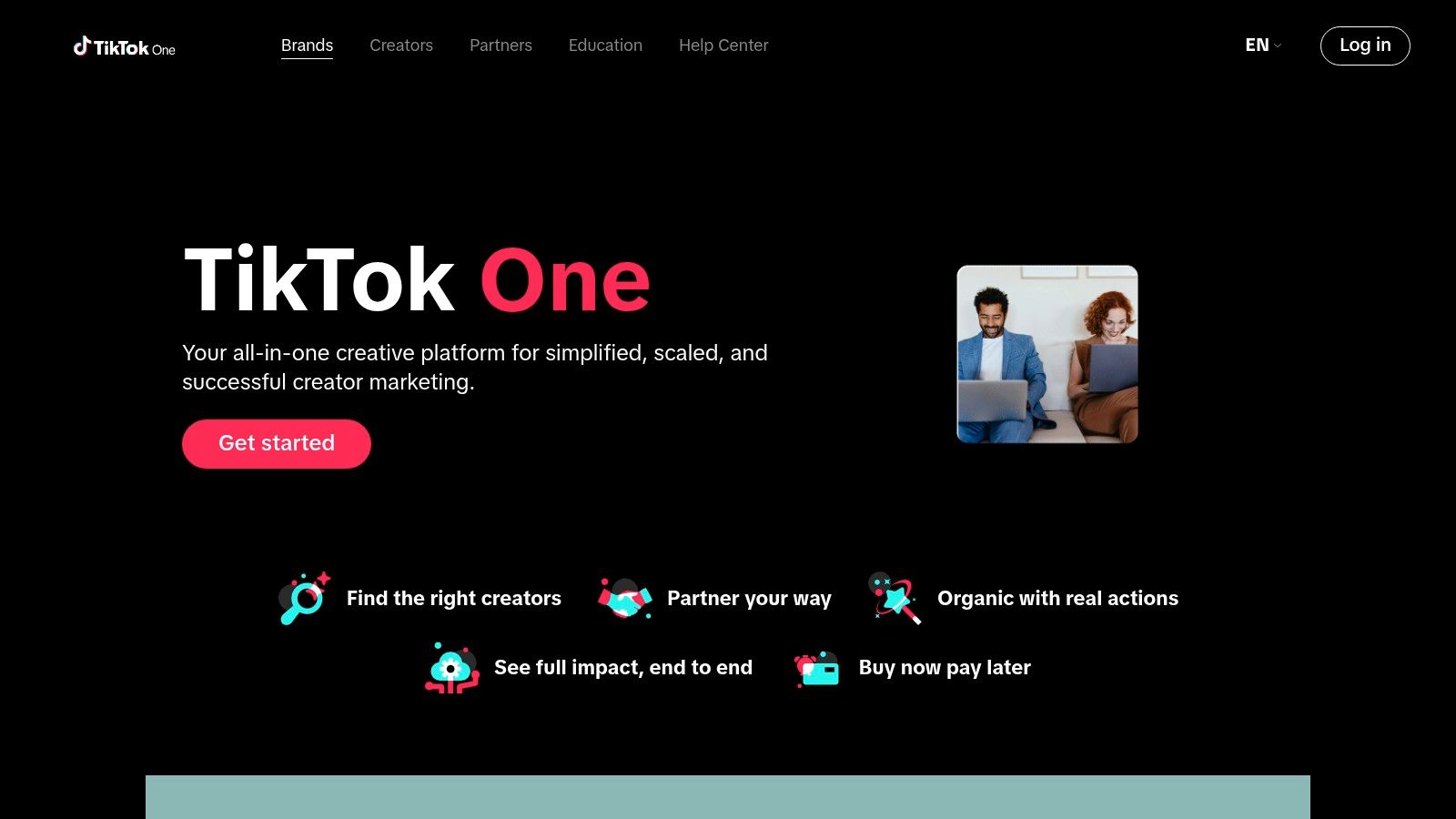
If you want the most native path to paid collaborations, start with the TikTok Creator Marketplace. This is TikTok’s own environment for creators and brands to find each other, which is a big trust advantage when you’re tired of DM spam and vague outreach. It’s also the cleanest place to show brands the numbers they care about, because the platform lets you present performance data, rate expectations, and collaboration readiness inside TikTok’s ecosystem.
Best use case for native brand deals
For many creators, this is the closest thing to “official” creator work on the platform. It makes sense for people who already have a clear niche, a consistent posting style, and enough proof to make a brand feel comfortable moving forward. Because the workflow is built inside TikTok, it reduces a lot of the scam risk that shows up in off-platform deal hunting.
The trade-off is access. Eligibility and regional rollout can limit who gets in, and invite volume isn’t always steady. That means you can’t treat it like a guaranteed job feed. You need to make your profile feel like a media kit, not a personal account.
Profile rule: Put the brand’s decision-making burden as low as possible. They should know what you make, who watches it, and why your audience fits before they ever ask for more context.
If you’re building your presence from scratch, use a strong portfolio structure before you rely on invites. The internal guide on how to build a social media portfolio step by step is a good reference point for that. Make your best three to five posts easy to evaluate, then list clear categories, content styles, and any brand-friendly proof points.
TikTok Creator Marketplace works best for creators who already look professional on first glance. If your profile feels chaotic, fix that first, then apply.
4. TikTok Shop Affiliate
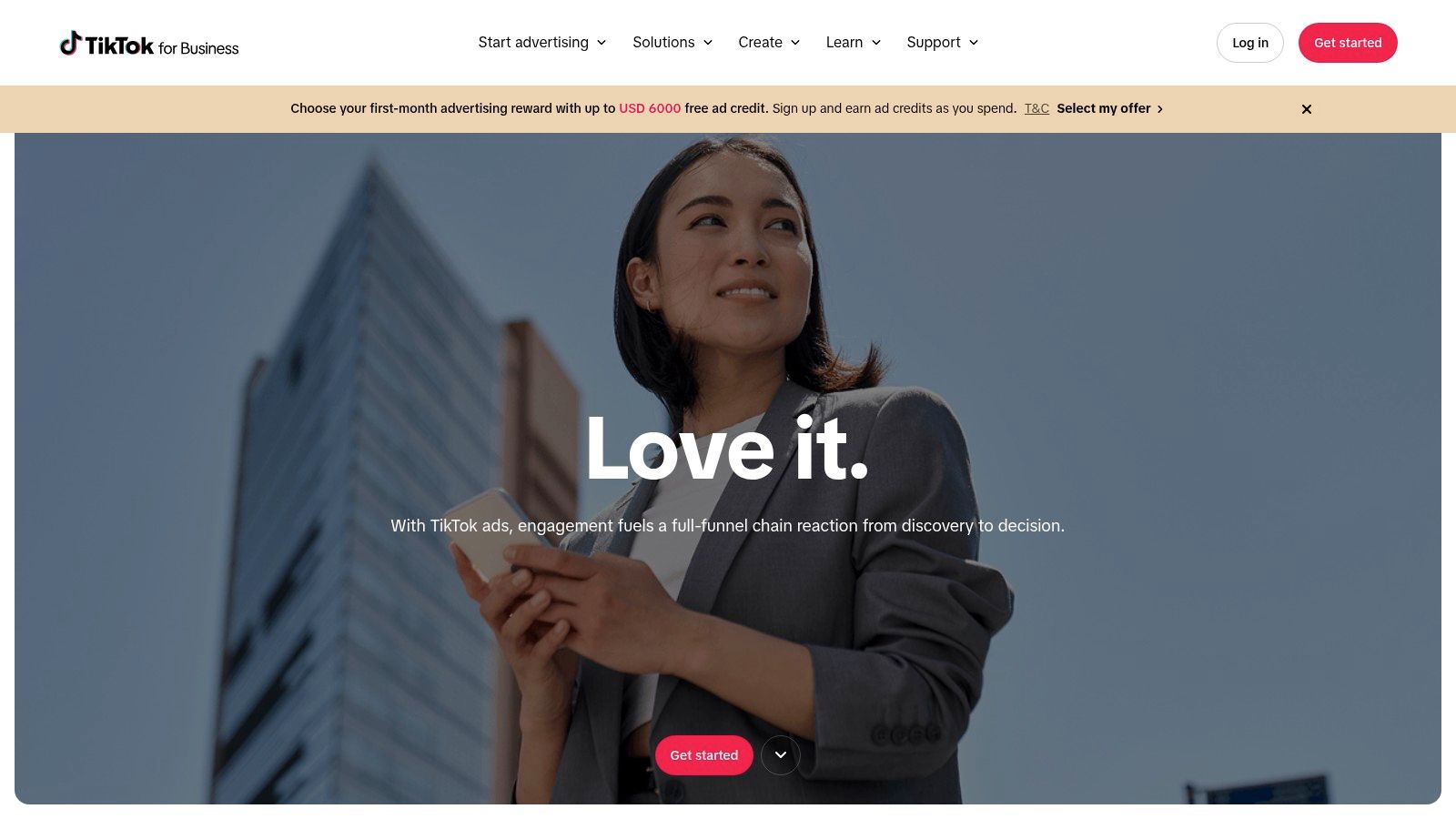
If your content already moves products, TikTok Shop Seller Center is one of the clearest ways to turn attention into income. TikTok Shop affiliate work is commerce-first, which means you are not trading time for a one-off fee. You earn from product performance, shoppable videos, and LIVE integrations, so the upside depends on how well your content converts.
Best use case for commerce-first creators
This route fits creators who can create purchase intent, not just attention. Demonstrations, honest comparisons, problem-solving demos, and live product walkthroughs usually matter more than polished visuals here. If you know how to show why someone should buy now, affiliate income can become repeatable.
The trade-off is volatility. Earnings depend on product fit, audience trust, and consistency. That is why this path works best when you already know which categories your audience responds to. Broader creator economy research shows that native TikTok monetization is only one slice of creator income, while brand partnerships and affiliate or commerce channels carry much more of the load.
Treat the storefront like part of your content strategy, not a side panel. Pick products that match your niche, keep your claims grounded in real use, and make the buying step obvious in the video itself. The creators who do well here usually test several product angles, then keep the ones that produce saves, clicks, and sales.
A strong profile helps, but the content does the heavy lifting. If your videos feel generic, your conversion rate will stay weak even with solid reach. Start with clear problem, clear payoff, and a direct reason to tap.
4. TikTok Shop Affiliate
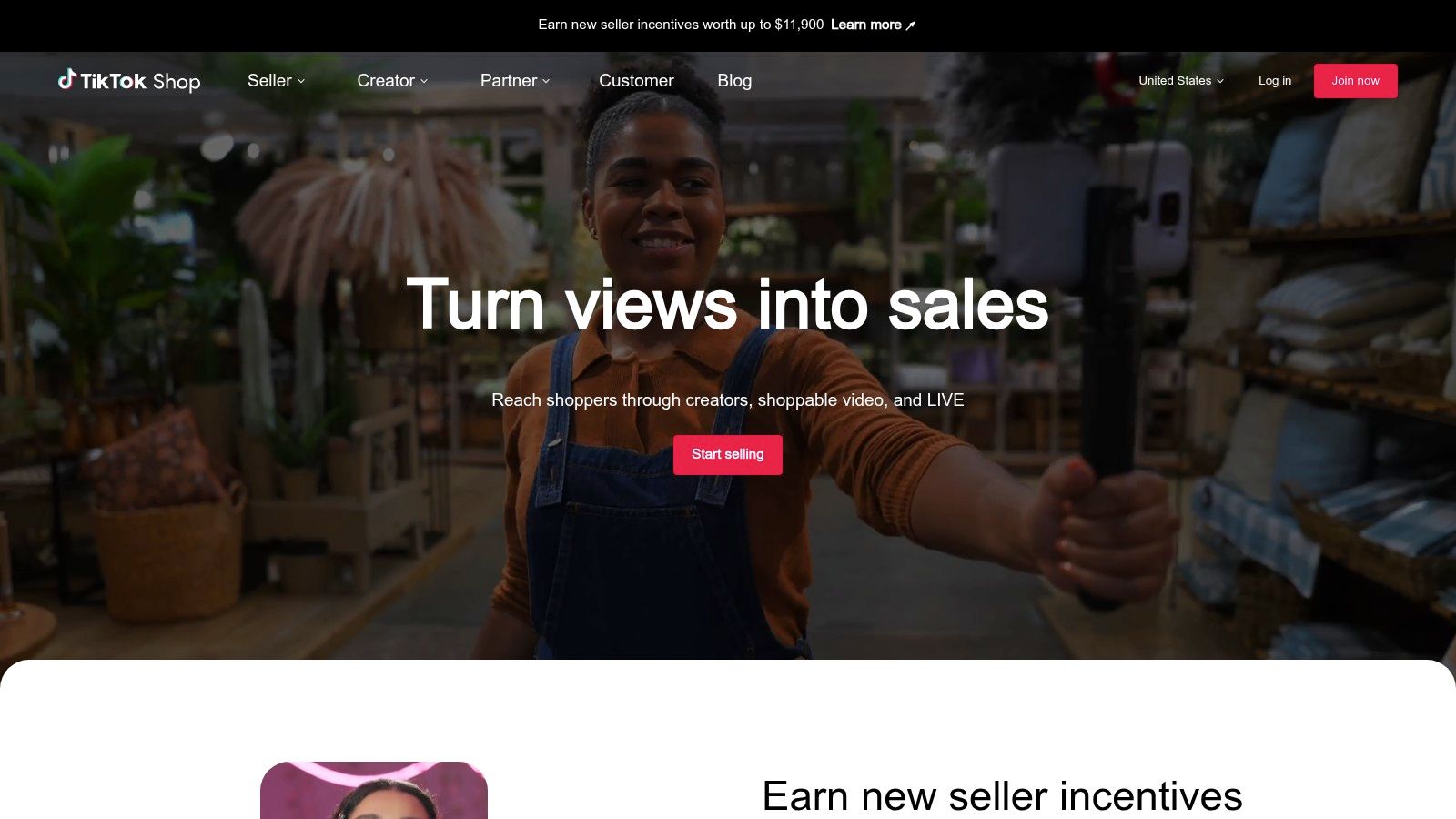
If your content already moves products, TikTok Shop Seller Center is one of the most practical places to turn views into income. TikTok Shop affiliate work is commerce-first, which means you’re not selling your time once and moving on. You’re earning from product performance, shoppable videos, and LIVE integrations, so the upside comes from how well your content converts.
Best use case for commerce-first creators
This route fits creators who can create purchase intent, not just attention. Demonstrations, honest comparisons, problem-solving demos, and live product walkthroughs tend to matter more than polished aesthetics here. If you’re good at showing why someone should buy now, affiliate income can become repeatable.
The trade-off is volatility. Earnings depend on product fit, audience trust, and consistency. That’s why this path works best when you already know which categories your audience responds to. The broader creator market data backs that up, since only 10% of creator income is native TikTok monetization in one recent survey synthesis, while most income comes from brand partnerships and affiliate or commerce channels (creator economy income mix).
For creators chasing TikTok Shop success, the work is operational. You need hooks that stop scrolling, demos that answer objections, and product selections that match your viewers’ intent. A random affiliate post won’t save a weak channel.
Bottom line: If you can consistently turn product curiosity into action, affiliate work can outperform one-off post fees over time.
Keep your expectations grounded. This is not passive income, and it’s not ideal for creators who don’t want to test offers, track conversions, or adjust content based on what sells.
5. Pearpop
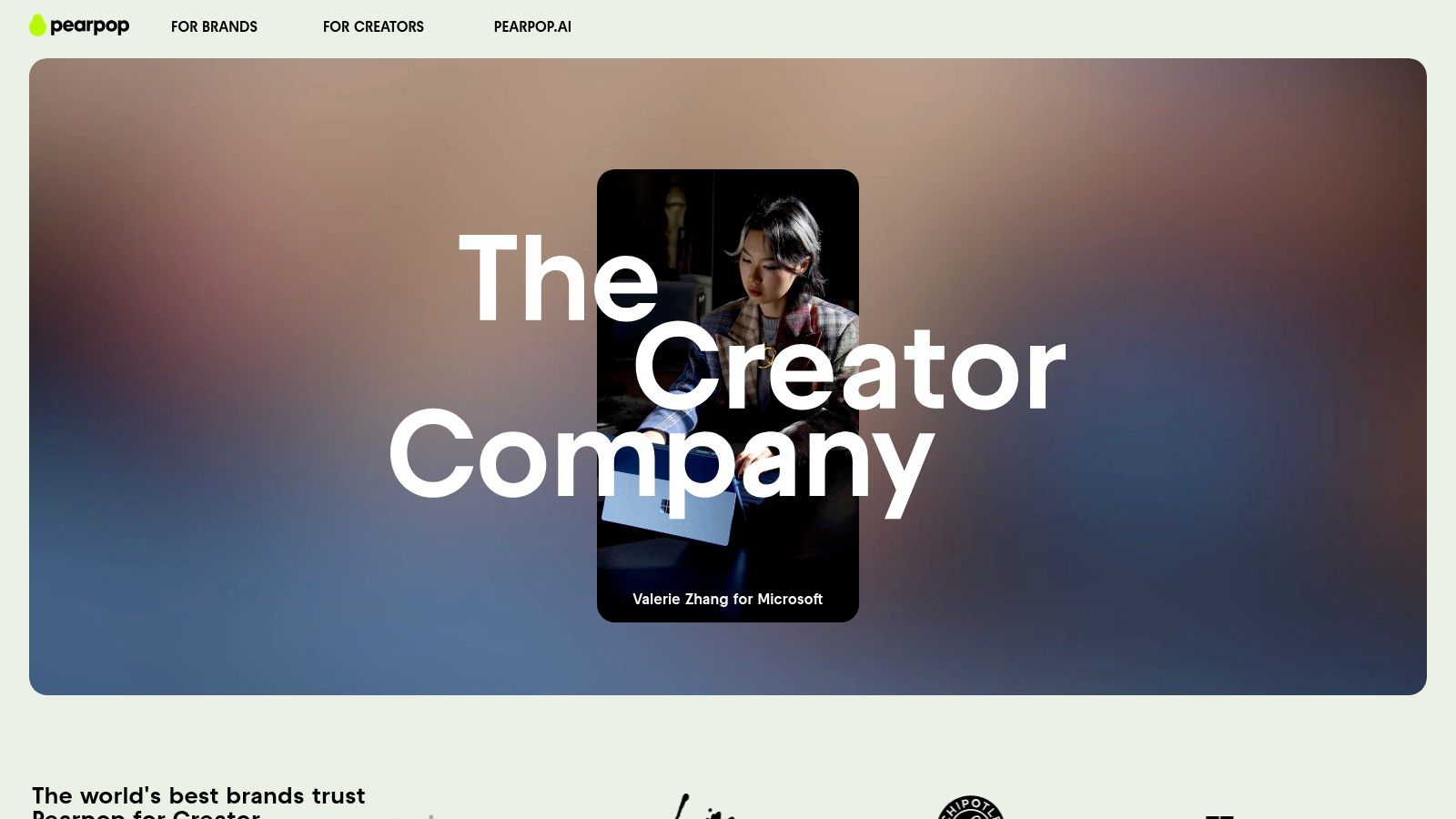
Pearpop is useful when you want frequent paid activations without waiting for a long agency cycle. Its mix of brand challenges, briefs, and paid amplification makes it a flexible option for creators who want to pitch, post, and get moving. The platform also has a Pearpop talent side for select creators, which gives stronger accounts a more managed path.
Best use case for campaign volume
This is the kind of platform that suits creators who can move fast and adapt to different creative directions. Brand challenges can be a good fit if your content style is already clear and you’re comfortable making posts around a specific prompt. The bonus is Boost Mode, which can amplify creator content as ads when a post performs well.
The drawback is selection pressure. Campaign availability varies, and not every brief is a fit. If you apply with vague positioning, you’ll get skipped quickly because the platform rewards creators who can deliver the exact kind of asset a brand needs.
Use Pearpop like a pitching tool, not a waiting room. The creators who do well here usually know how to translate a brief into a fast, usable concept. A tight opening line, a clean first frame, and a clear product benefit will beat a stylish but unfocused submission.
If you’re still refining your pitch style, make sure your content examples show range. One tutorial, one comparison, and one testimonial-style post often communicate more than a dozen random uploads. Brands want signal, not noise.
6. Insense
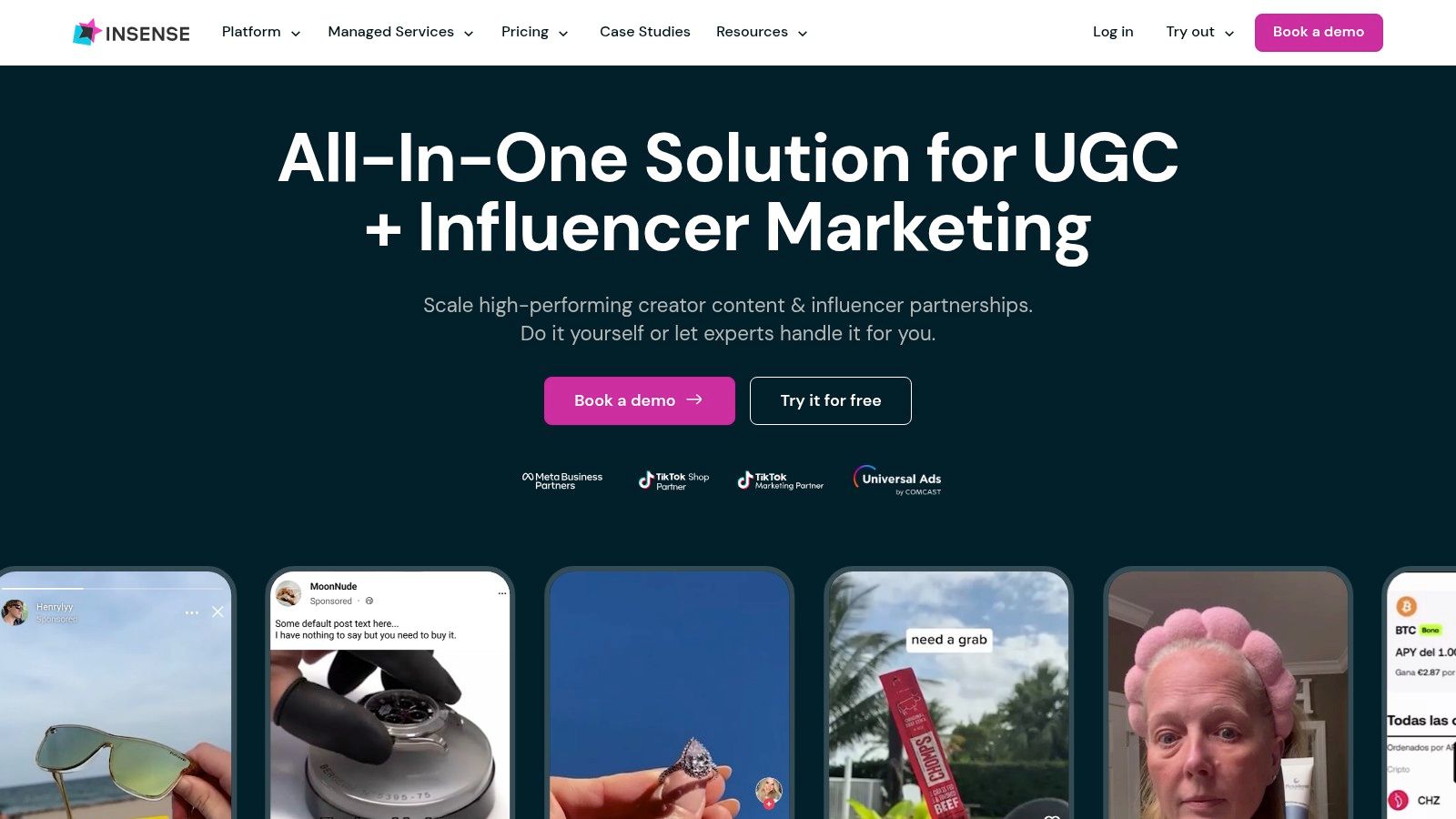
Insense is built for brief-driven work, especially when brands are sourcing UGC for TikTok and other short-form platforms. That makes it a strong option if you’re comfortable creating content that’s meant to be used in ads, whitelisting, or Partnership Ads rather than only on your own channel. It’s a little more serious than a casual creator marketplace, which is exactly why some creators prefer it.
Best use case for UGC and paid amplification
Insense works best if you can think like a paid-social creator. Brands here often care about platform fit, category fit, and how the asset will perform when amplified. The marketplace offers filters by platform, category, location, and price, which helps you position yourself more intelligently than on a feed of random jobs.
The downside is availability. Creator demand can outpace briefs, and some creators run into access issues. That means your profile needs to be sharp from the start. Don’t bury your strongest work behind personal clips or unrelated experiments.
A good Insense profile usually shows three things fast. First, you understand short-form ad language. Second, you can create clean UGC without overproducing it. Third, you know how to follow a brand brief without making the content feel stiff. That balance is what brands want.
Standout move: Upload examples that prove you can handle both organic and paid-looking creative, because many brands are hiring for the gap between the two.
If you’re chasing UGC work as a way to get your foot in the door, this is one of the better places to do it. It rewards clarity, speed, and brand-safe execution.
7. Billo
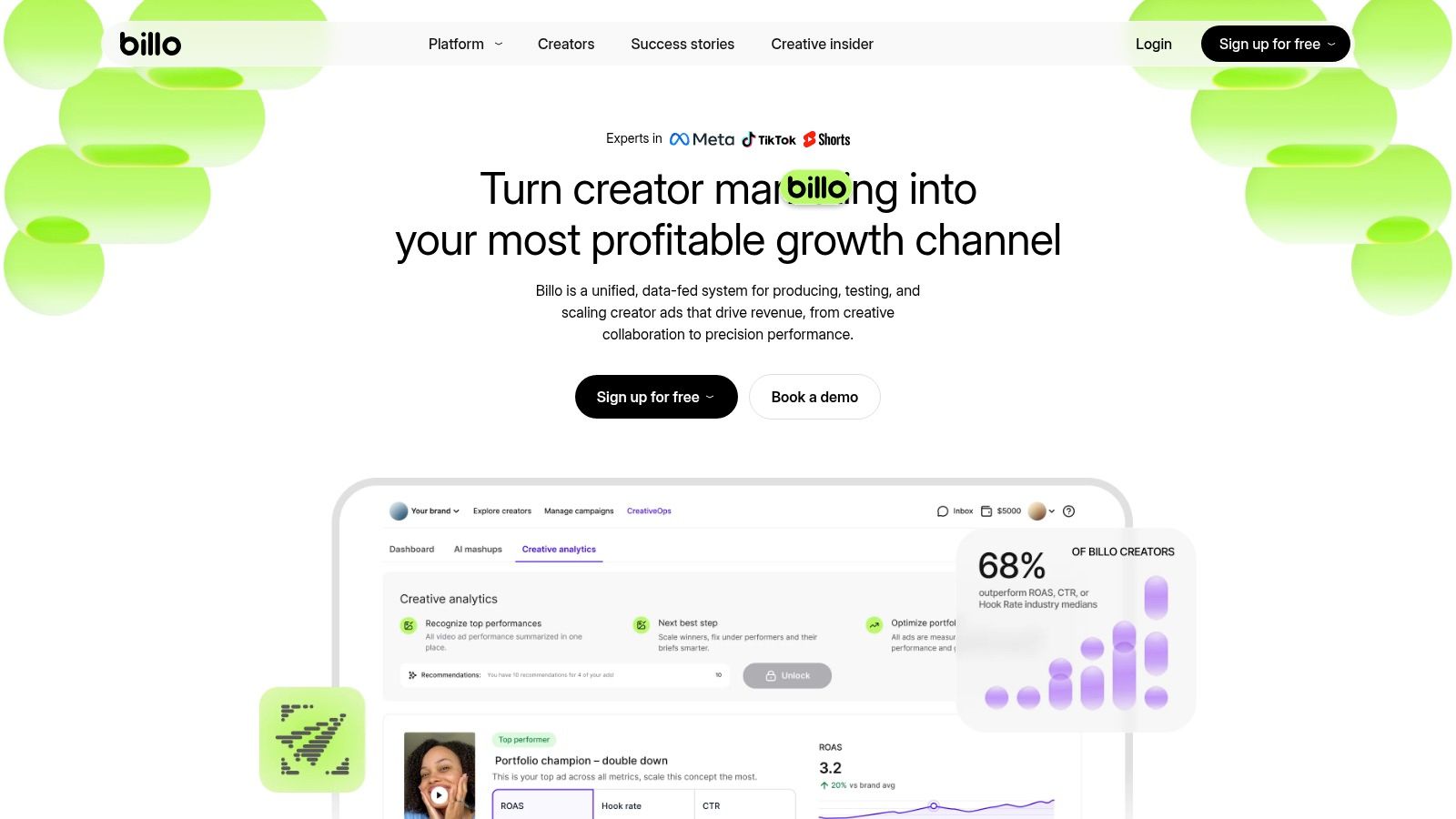
Billo is one of the more beginner-friendly places to find paid creator tasks, especially if you’re trying to build a portfolio of short-form work fast. The workflow is mobile-first, the onboarding is guided, and the briefs usually revolve around product demos, testimonials, and unboxings. That makes it a practical entry point for creators who want experience before they chase larger brand deals.
Best use case for beginners building proof
The biggest advantage here is simplicity. You can apply to specific tasks, record a pitch video, and work through clear deliverables without needing a full agency relationship. Billo is useful if you’re still proving that you can deliver clean, brand-friendly assets on time.
The trade-off is compensation. Entry-level UGC work usually pays less than higher-end creator deals, and competition for briefs can be intense. That’s not a reason to ignore it. It’s a reason to use it strategically. If you need three strong samples for your portfolio, a few well-chosen Billo projects can be worth more than an empty media kit.
The optional organic posting add-on is also useful if you want to show you can perform on your own account, not only hand off assets. That matters because a lot of brands want creators who understand both production and distribution.
Keep your application materials tight. A clean profile, a confident pitch video, and examples that show you can explain a product clearly will usually go farther than flashy editing. Billo rewards creators who make the brief feel easy to approve.
8. Trend, now part of Soona
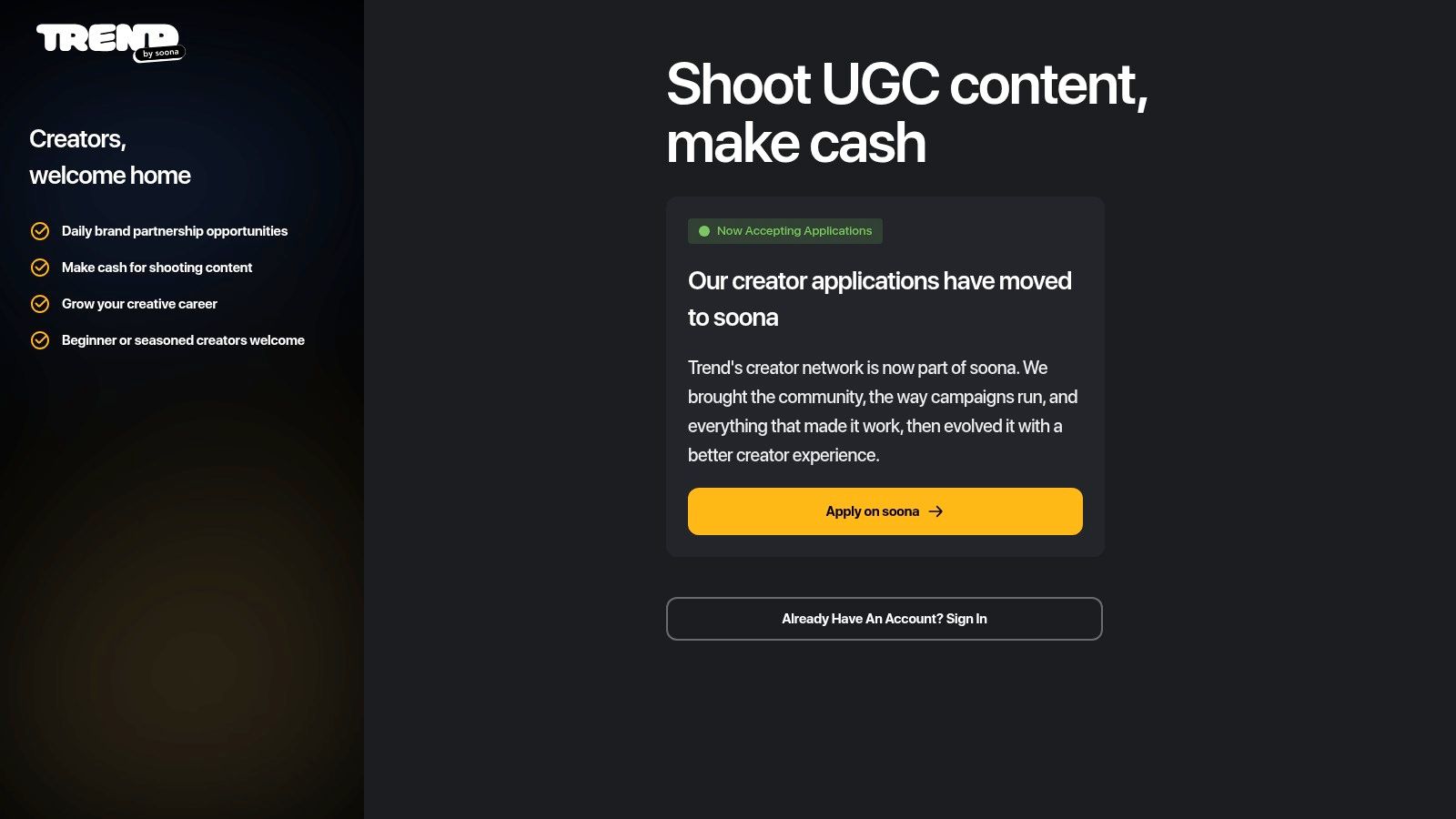
If you prefer selective matching over endless application feeds, Trend, now part of Soona is worth a look. It’s built around a vetted creator roster and short-form UGC briefs, so the brand-creator fit tends to be more curated than open marketplaces. For creators who hate volume and want better-aligned briefs, that can be a real advantage.
Best use case for selective creator rosters
Trend’s approach works best when you already have a polished creator identity. Brands using a vetted network usually expect stronger consistency and better delivery discipline. If you’re trying to look casual and experimental, you’ll probably miss the point. This is more about performance-ready UGC than random posting energy.
The trade-off is obvious. Smaller opportunity volume means fewer chances to win a brief, and roster acceptance isn’t guaranteed. But the upside is that selective matching can reduce mismatched jobs and awkward revisions. That matters when you’re trying to build a portfolio that looks intentional.
For positioning, your profile should answer three questions immediately. What type of assets do you make. What platform do you make them for. Why should a paid-social team trust you with ad-ready content. If you can’t answer those cleanly, tighten your portfolio before you apply.
Creators often undervalue curation because it feels slower. In practice, fewer but better-fit opportunities can save you from chasing low-quality briefs that eat time and don’t lead to repeat work.
9. Viral Nation Talent
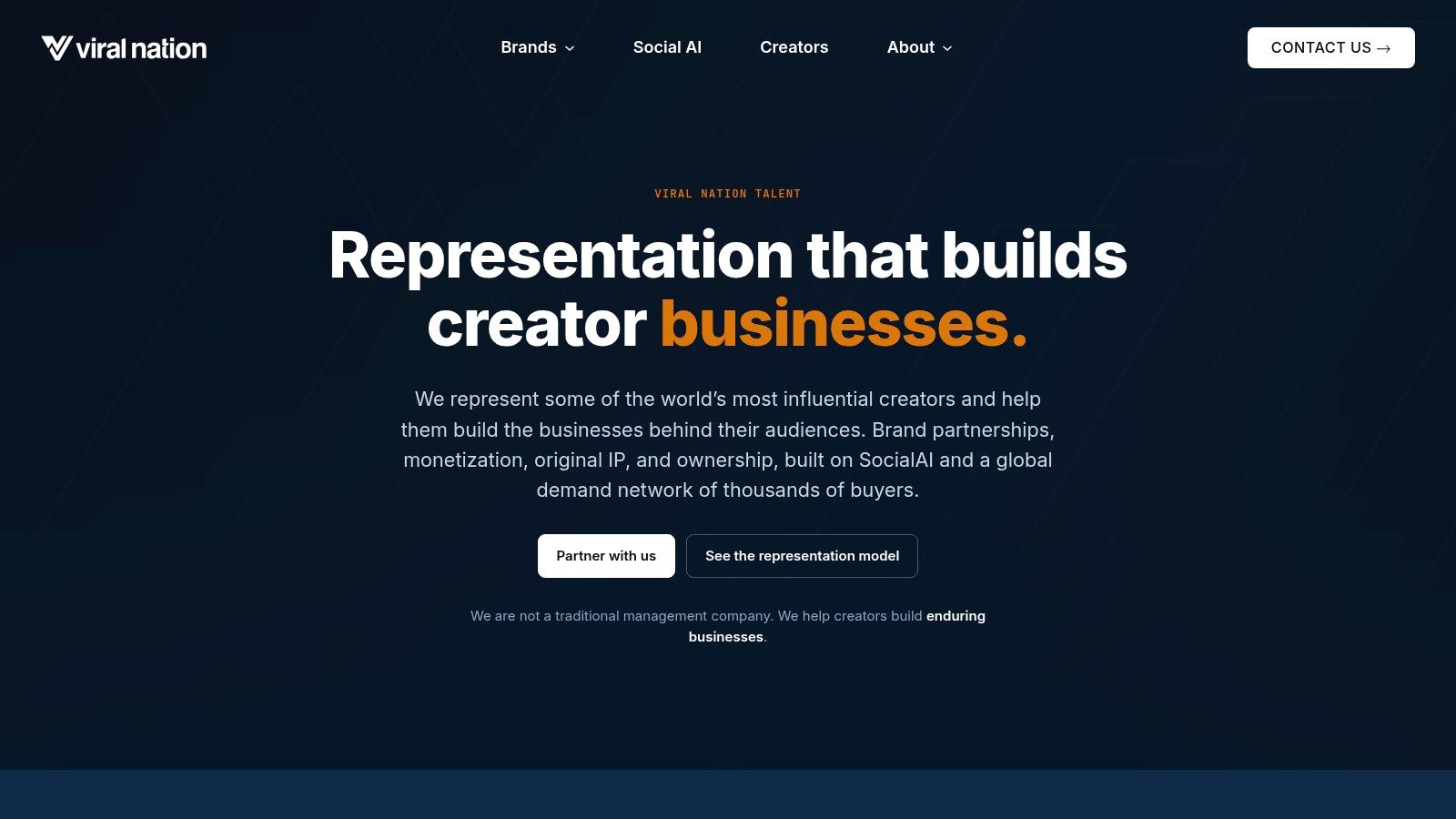
Viral Nation Talent fits creators who already have traction and want representation, deal negotiation, and longer-term strategy. If you are still trying to prove that your content can hold attention and convert, this is usually too early. If you already have a track record, an agency can pitch you into higher-value work and handle more of the business side.
Best use case for established creators
The value here is operational support. Viral Nation manages talent relationships, cross-platform work, and services like strategy, legal support, and analytics. For creators juggling several offers or moving into more complex campaigns, that kind of back-end help can save time and reduce the risk of signing bad contracts.
The trade-off is selectivity. Larger agencies usually want creators who already have audience pull and reliable content quality, because they need talent they can place with confidence. Some creators also report mixed agency experiences, so ask direct questions about communication, payment timelines, and brand fit before you sign anything.
Your application should read like a business, not a fan page. Include your audience profile, best-performing formats, brand categories you have worked with, and any repeatable deliverables you can offer. Agencies want creators they can package and sell with confidence.
For creators building toward agency representation, the extra context in social media management firm guidance can help you understand how these businesses think about campaign support and client servicing. That perspective makes your outreach sharper.
10. The Influencer Marketing Factory Talent Agency
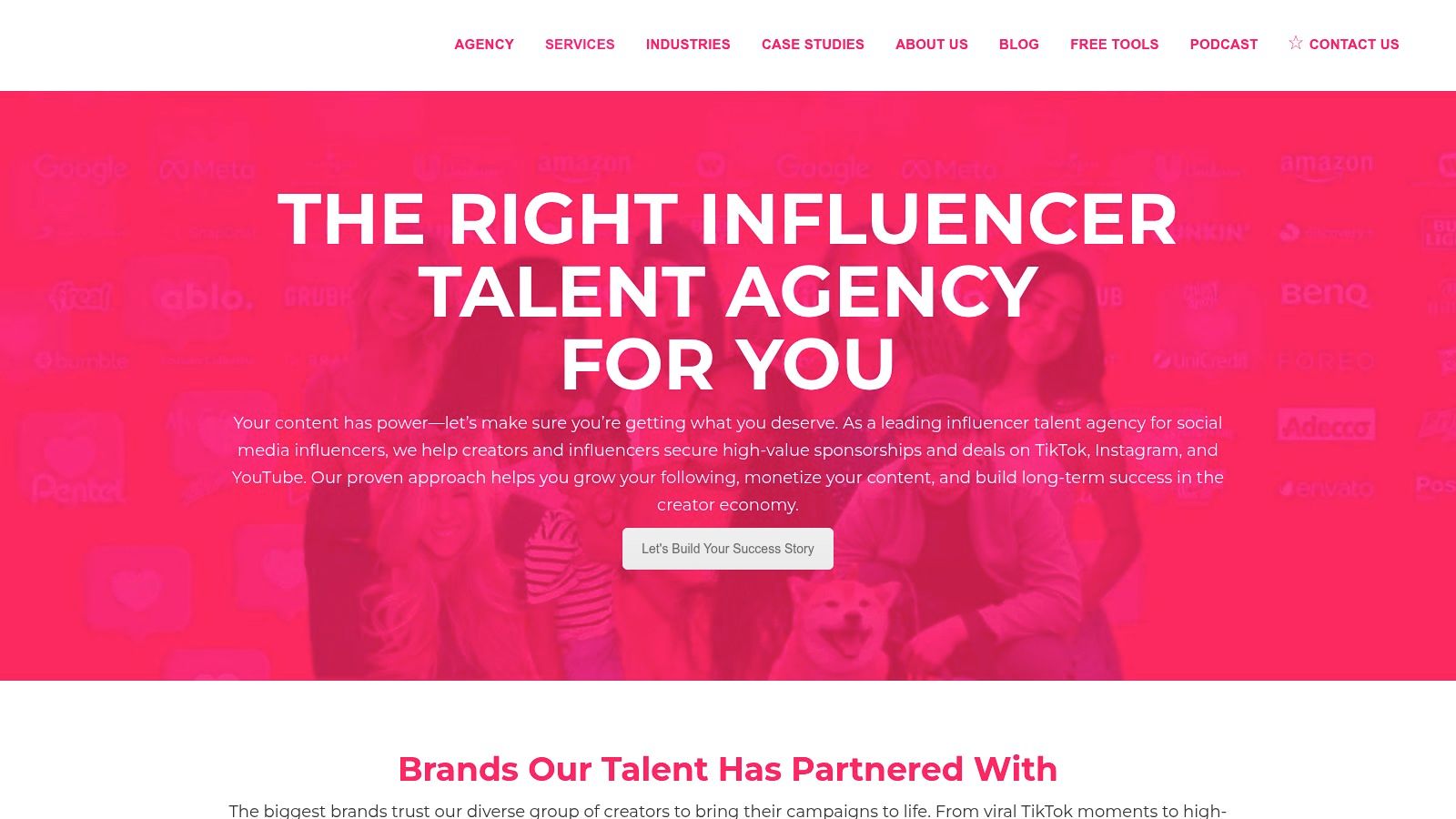
The Influencer Marketing Factory Talent Agency is a strong option for creators who want TikTok-first brand work with more structure around strategy, analytics, and media support. The agency’s positioning makes sense for creators who are ready for managed, KPI-driven deals instead of one-off, loosely defined collaborations. If you like clear expectations and measurable outcomes, that’s a good sign.
Best use case for KPI-driven brand work
This is a fit for creators who can deliver consistently and speak the language of campaigns. Agencies like this tend to care about how your content supports the full marketing funnel, not just whether a clip looks good. That means your ability to explain hooks, performance signals, and audience fit matters as much as your editing style.
The upside is repeatability. Once you’re in a strong agency relationship, you may see more structured work and a clearer path to follow-on campaigns. The downside is that talent rosters are selective, and agency commissions affect the deal economics, so you need to know what you’re giving up in exchange for access and support.
Your pitch should sound like a collaborator, not a hopeful applicant. Mention the kinds of brands you fit, the content formats you can produce reliably, and the systems you use to keep posts on brief. If you can show that you understand both creativity and execution, you’ll look much stronger.
For creators who want a serious agency channel without losing the TikTok focus, this is one of the cleaner options. It works best when you’ve already built enough proof that an agency can confidently sell you into a campaign.
Top 10 TikTok Content Creator Job Platforms, Comparison
| Platform | Core features ✨ | Trust & quality ★🏆 | Pricing / Value 💰 | Best for 👥 |
|---|---|---|---|---|
| RemoteProfitly, Remote Social Media Jobs | Curated remote listings; 50+ guides; resume/profile tools; moderated community; filters & alerts | 4★ 🏆 Niche specialist; 100+ placements last year; employer partners | 💰 Community-first (free access + optional paid perks) | 👥 Social media managers, creators, analysts seeking vetted remote roles |
| TikTok Creator Marketplace (TTCM) | Verified creator profiles; performance metrics; rate cards; integrated briefs | 5★ 🏆 Official TikTok channel, highest trust for TikTok deals | 💰 Free for eligible creators; no middlemen | 👥 TikTok creators pursuing brand collaborations |
| TikTok Creative Exchange (TTCX) | Brief‑based ad packages; standardized scopes; TikTok for Business quality controls | 4★ 🏆 Structured, ad‑grade productions; vetted partners | 💰 Project‑based pricing; varies by package | 👥 Creators/agencies producing ad‑grade content |
| TikTok Shop Affiliate | Shoppable videos & LIVE; commission tracking; in‑app checkout | 4★, Tight commerce integration; conversion‑driven | 💰 Commission-based (variable; scales with sales) | 👥 Creators focused on social commerce & conversions |
| Pearpop | Self‑serve brand challenges; Boost Mode amplification; talent arm | 3★, Frequent briefs; variable payouts | 💰 Pay per campaign; amplification add‑ons | 👥 Creators seeking frequent short paid activations |
| Insense | Curated briefs; discovery filters; UGC licensing & amplification workflows | 4★, Transparent marketplace with pricing filters | 💰 Brief-based pricing; helps position offers | 👥 UGC creators targeting brand briefs for ads |
| Billo | Mobile-first app; guided onboarding; task listings (demos, unboxings) | 3★, Consistent entry‑level gigs; reliable payments | 💰 Lower average rates; steady volume for beginners | 👥 New creators building paid short‑form portfolios |
| Trend (creators.trend.io) | Vetted creator roster; curated briefs; performance UGC focus | 4★, Selective matching; clearer scopes | 💰 Fewer but higher‑intent briefs; selective access | 👥 Creators preferring curated, performance‑oriented gigs |
| Viral Nation Talent | Talent management; deal negotiation; strategy & analytics support | 4★ 🏆 Agency access to higher‑value, multi‑platform campaigns | 💰 Premium representation; agency commissions apply | 👥 Established creators seeking agency representation |
| The Influencer Marketing Factory (Talent Agency) | TikTok‑first campaigns; strategy, analytics & media support | 4★ 🏆 Strong TikTok expertise; KPI‑driven campaigns | 💰 Agency fees/commissions; structured deals | 👥 Proven creators wanting managed, KPI‑focused partnerships |
Your Next Move as a TikTok Creator
Finding the right job source matters, but the win comes from matching your stage to the platform. If you’re early, start with UGC marketplaces like Billo or Insense so you can build proof, learn brief discipline, and get used to client communication. If you already have traction, TikTok Creator Marketplace, Viral Nation Talent, and The Influencer Marketing Factory give you a more direct path to higher-value collaborations and agency-backed opportunities.
The best creators treat this as a business. They don’t just post, they package their work, show clear examples, and apply where their skill set fits the buying process. That’s especially important in a market where income is uneven, platform payouts are limited, and most creator earnings still come from sponsorships, commerce, and off-platform deal flow rather than native monetization alone (creator income mix, TikTok creator earnings context).
Use the official TikTok platforms when you want native collaboration paths. Use marketplaces when you need volume or faster access to briefs. Use agencies when your content is already strong enough that someone else can sell it for a higher-value package. And if your goal is a remote creator role that feels more like a job than a gig, keep a dedicated watch on focused hubs like RemoteProfitly, because they help cut through the noise and surface legitimate opportunities faster.
Your next application should look less like a hope-and-pray pitch and more like a clean business case. Show your best work, make your value obvious, and keep moving. The creators who win in 2026 are the ones who combine strong content with disciplined job search habits, not the ones waiting for the algorithm to hand them a career.
RemoteProfitly helps creators find legitimate remote social media roles, including content creator jobs, manager roles, analyst work, and community positions. If you want a focused place to search, compare listings, and build stronger applications, visit RemoteProfitly and start with the remote creator jobs that match your skills.